AT A GLANCE
The product in context.
The Flip 7 offers another shared-listening format alongside the smaller JBL Go 4 already covered here. It is worth considering for a private stay or a gathering where music is welcome. This is an editorial comparison of the format and published features, not a listening test.
This is a researched editorial overview based on the linked manufacturer information. This product is not in the owner’s collection and has not been tested by GadgetsBag. Pros, cons and the assessment are provisional, not firsthand findings.
A CLOSER LOOK
Photo gallery.
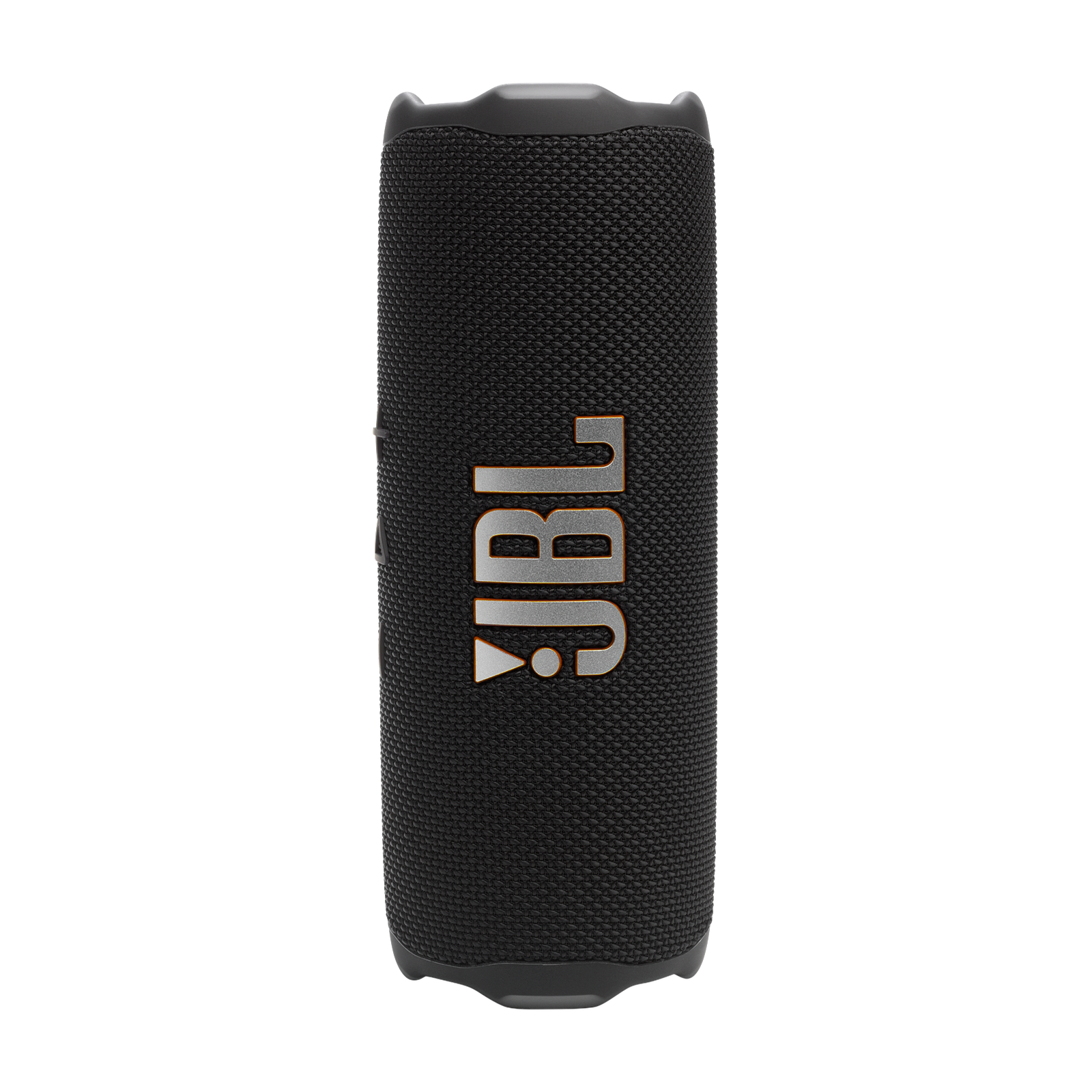
Image 1 of 4
Choose a thumbnail, then tap the large photo to enlarge it. Use the viewer arrows or swipe to explore. Product imagery is credited to its source.
THE PUBLISHED DETAILS
Product specifications.
- Colour / model
- Black · JBLFLIP7BLK
- Bluetooth
- Version 5.4, according to JBL’s spec sheet
- Rated output
- 25W RMS woofer + 10W RMS tweeter
- Playback claim
- Up to 14 hours; up to 16 hours with Playtime Boost
- Protection
- IP68 under JBL’s conditions; 1m drop claim from manufacturer testing
- Net weight
- 0.56kg, according to JBL’s technical spec sheet
- Dimensions
- 182.5 × 69.5 × 71.5mm, according to JBL’s spec sheet
- Connections
- Bluetooth and compatible USB-C audio; Auracast for supported JBL speaker setups
Source: Manufacturer specifications and feature notes ↗. Manufacturer or listing claims are not our measurements. Check the exact regional variant.
THE PRACTICAL PERSPECTIVE
Overall review.
Choose the space before the speaker
A speaker is for shared listening. Think about the room or outdoor space, the people around you and whether music is appropriate there. For a solo flight or a shared train compartment, earbuds or headphones are the more considerate format. For an agreed gathering, a separate speaker can free the phone from doing both playback and amplification.
Compare the whole carry setup
Place the Flip 7 next to the smaller Go 4 on your packing list. Would you take the larger speaker on every trip, or only when shared music is part of the plan? Consider its dimensions, charging equipment and a protective place in the bag. We have not compared their bass, maximum level or sound balance side by side.
Match pairing and endurance to your routine
The 16-hour headline includes Playtime Boost; it should not be treated as a measured result for your volume and playlist. Check compatibility before buying a second speaker for pairing. A durability rating also describes defined tests, rather than a reason to leave electronics unprotected in a bag or expose them unnecessarily.
Sources and related reading
WEIGH THE TRADE-OFFS
Pros & cons.
Based on published features and editorial assessment; not test results.
Pros
- A portable format for shared listening
- Auracast support for compatible JBL arrangements
- Published protection rating and USB-C audio option
Cons
- Takes more bag space than the Go 4
- The maximum battery headline includes a separate Boost mode
- Speaker pairing requires checking the supported ecosystem
Who is it for?
Worth considering for
- Private stays and gatherings where shared music is welcome
- Buyers comparing a portable speaker with the Go 4
- People with a compatible USB-C audio source
Think about first
- Sound preference and useful volume in the intended space
- Compatible speaker pairing rather than assuming every JBL model works
- A suitable charging setup; check the box contents
THE TAKEAWAY
Our assessment.
A sensible format to compare when shared music has a planned place in a trip. The features look useful on paper, but size, sound preference and a realistic playback routine should decide the purchase. Listening quality remains untested here.
Provisional assessment · Hands-on testing pendingWhat we still need to test.
These checks will help turn the initial assessment into a hands-on review.
- Sound balance at documented levels and distances
- Runtime with the playback mode and volume recorded
- Bluetooth reliability and USB-C audio on named devices
Read our editorial policy.